Mission technology waits
Useful sensors, autonomy and communications remain trapped behind the work required to make them operational.
Startup Battlefield 200 · San Francisco · 13 to 15 October
A software-enabled autonomous systems platform with its own aircraft. Rocket Fast Drones combines AI-enabled operations, aircraft, autonomy, simulation and production in one compounding system.
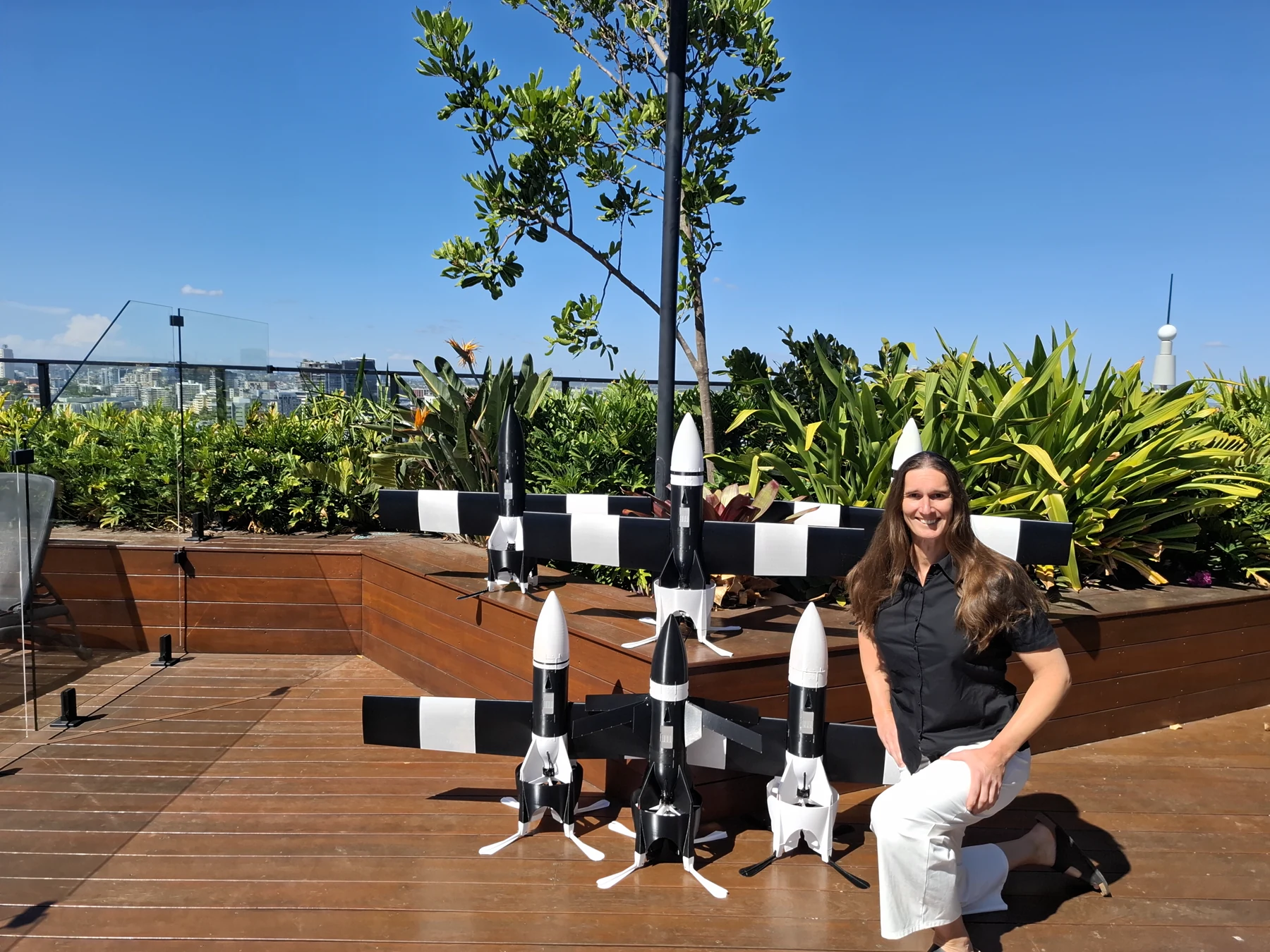
Aircraft, mission software and payloads are still developed in separate loops. Every new mission repeats integration, testing and regulatory work, while virtual evidence often stops before the physical fleet begins.
Useful sensors, autonomy and communications remain trapped behind the work required to make them operational.
New missions repeatedly pay for aircraft integration, safety evidence, operating tools and flight validation.
Many platforms cannot carry realistic virtual evidence into physical aircraft and repeatable operations.
The bottleneck is getting new autonomous capability operational while the requirement still matters.
Each customer programme adapts the platform. It does not restart development from zero.
Human-reviewed AI orchestration connects engineering, operations and corporate knowledge so a lean team can move with institutional memory intact.
Reusable high-speed VTOL aircraft, real-autopilot simulation, mission interfaces and flight evidence operate as one platform.
AI-assisted research, design and simulation sit beside rapid build and flight test, compressing the next iteration.
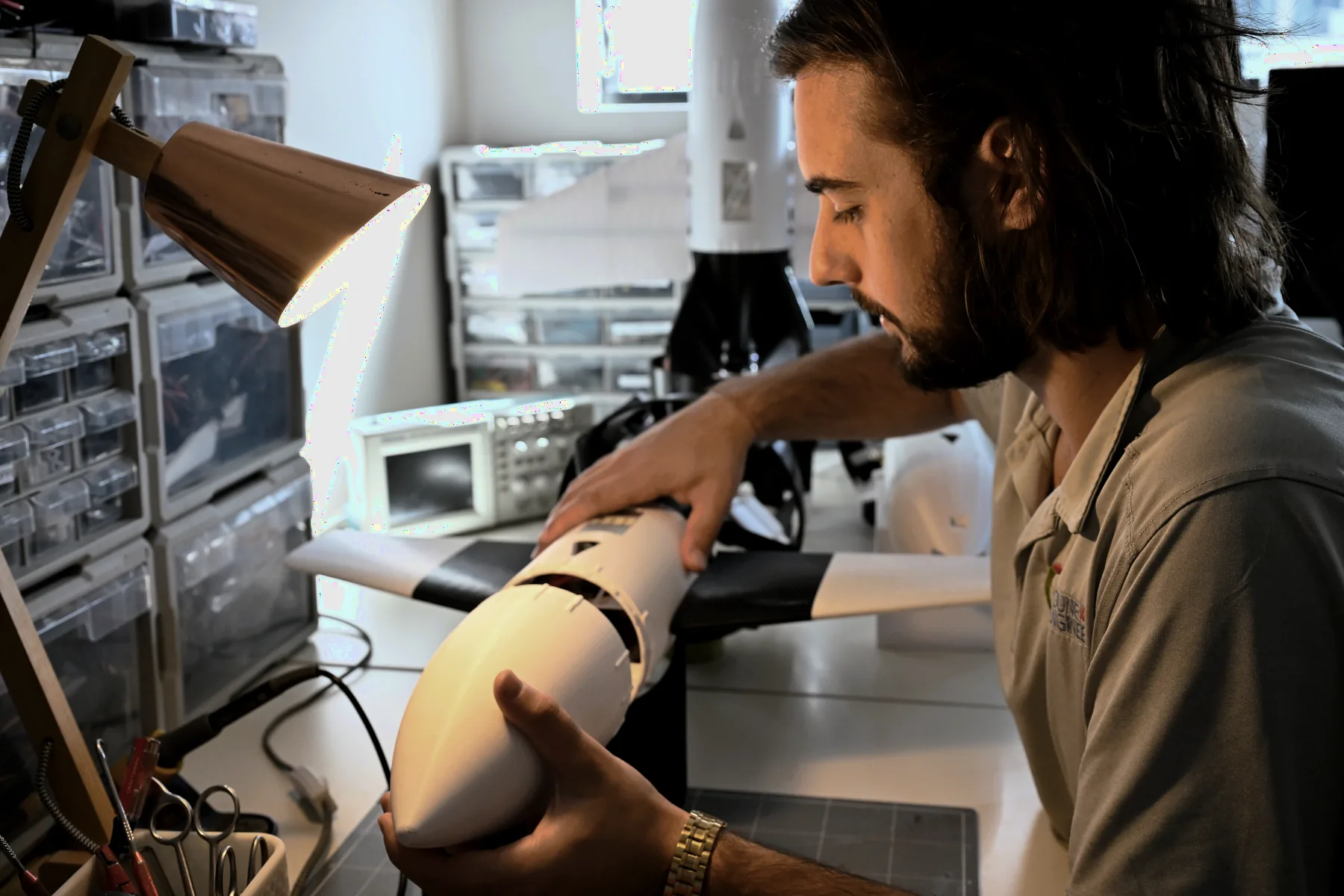
03 / Speed stack
Common architecture and high-fidelity simulation compress design. Rapid production keeps iteration close to evidence. Container-aware deployment and VTOL remove infrastructure. Flight and software learning carry into the next mission.
04 / Evidence loop
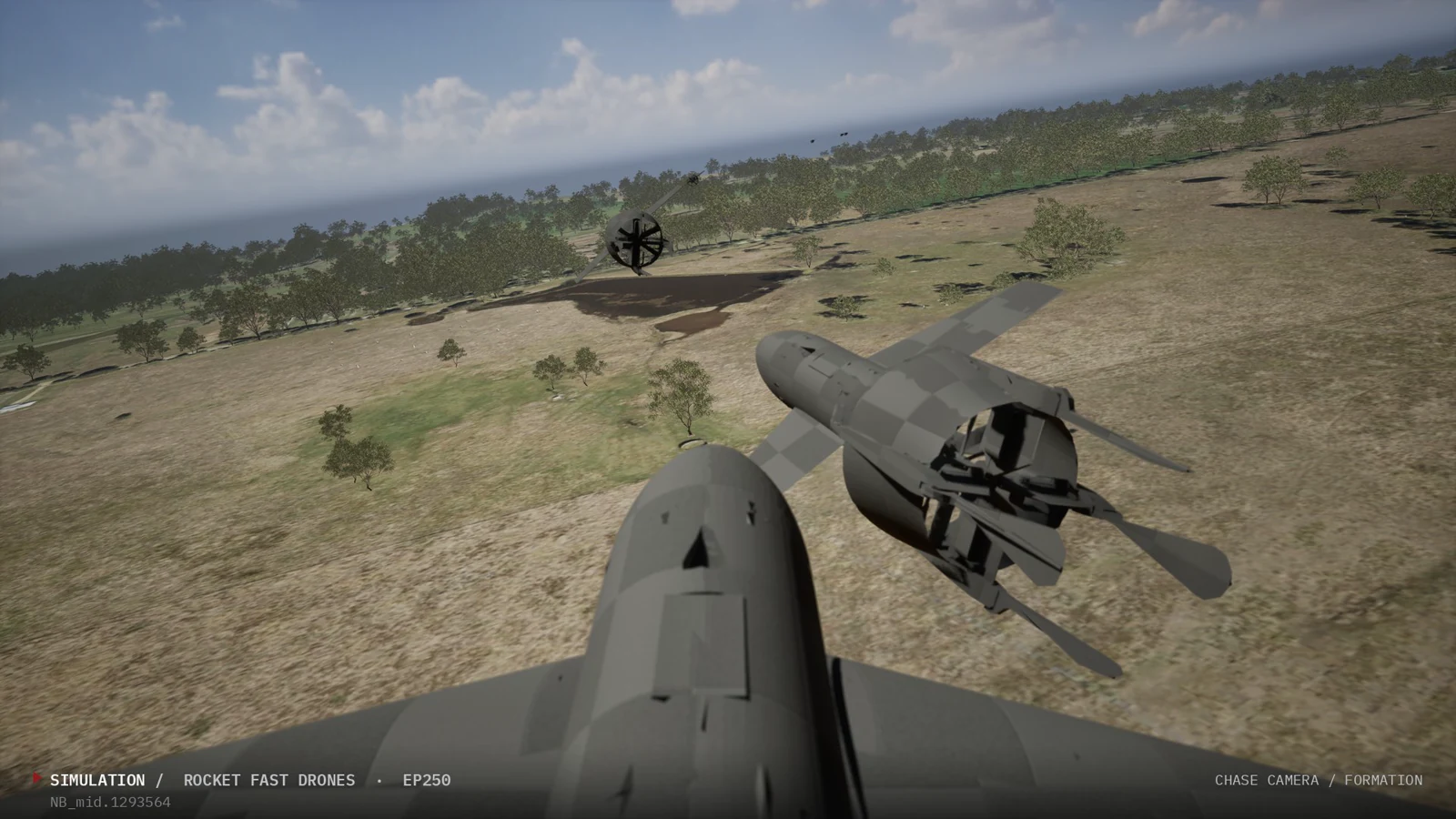
Every virtual aircraft runs the real autopilot software in its own container. Independent fleets can be exercised in parallel, while flight test supplies the standard that keeps the physics and controls useful.
The same technical core moves from mission simulation through hardware integration to flight evidence. That creates a software wedge with physical credibility.
Revenue starts before scaled aircraft production. A bounded paid programme proves the fit, creates reusable technical assets and opens the path to systems, readiness and software revenue.
Rocket Fast Drones owns the loop that usually crosses several companies: mission requirement, simulation, configuration, manufacture and flight.
The aircraft family is proof that a common technical architecture can move across size, mission and operating envelope.
The simulation environment exercises the flight software that later runs on the aircraft, keeping learning reusable.
RFD complements integrators and strategic partners as the fast autonomous-systems layer inside funded programmes.
Different missions repeatedly need the same thing: integrate quickly, simulate the complete system, configure the aircraft, deploy with little infrastructure and scale without a pilot per vehicle.
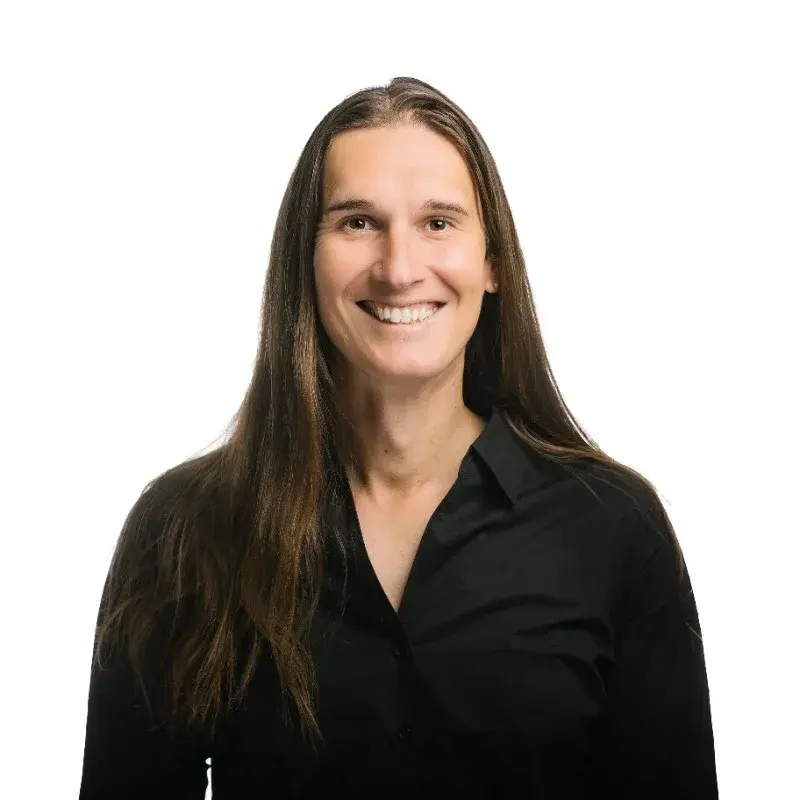
Joni Sytsma, PhD
Founder and CEO. Aerospace engineer, former CTO of iLAuNCH Australia and former researcher with the US Air Force Research Laboratory.
Investor brief · Startup Battlefield 200
Rocket Fast Drones is moving from technical proof into customer-funded programmes, repeatable delivery and scale. Meet Joni in San Francisco or request access to the investor materials.